
Related: Stand Mixer Repair: When to Fix It Yourself
Stand Mixer vs Hand Mixer: When to Upgrade
My 65-pound golden retriever Mabel has learned to leave the kitchen when I turn on the Hamilton Beach. She's a good judge of character. That ~$80 mixer got me through college baking, but it walks across the counter during stiff dough, sounds like a blender full of marbles, and I wouldn't trust it with a double batch of sourdough.
The question isn't whether you need a stand mixer. It's whether you've hit the point where your hand mixer is costing you more time and frustration than a countertop workhorse would.
I've owned three stand mixers in eight years, burned out two of them on bagel dough, and spent too many nights finishing brioche by hand at midnight.
Here's the honest breakdown of when to upgrade, and which machine to buy when you do.
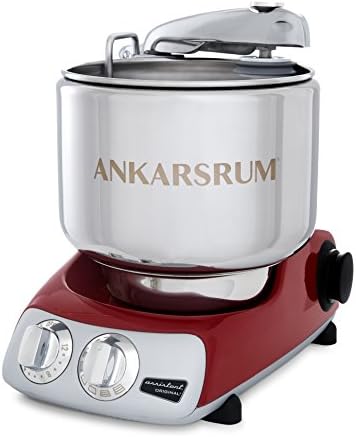
Ankarsrum Original
Chews through double batches of stiff dough without babysitting
Expensive upfront, but it'll be the last mixer I ever buy
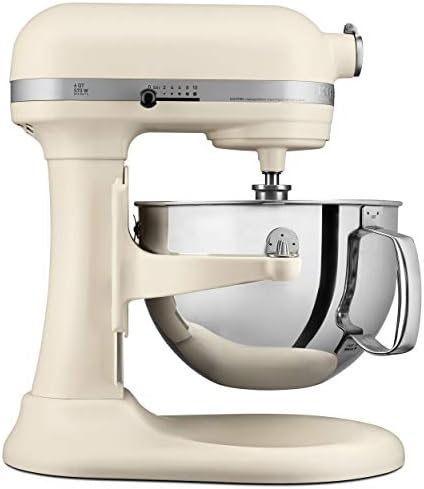
KitchenAid Pro 600
Bowl-lift stability and a motor that handles weekly bread
Tilt-head models are garbage for bread; new quality control is inconsistent
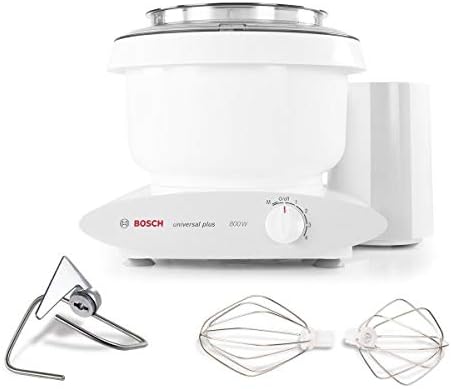
Bosch Universal Plus
Beast of a motor, handles four loaves without sweating
Not as pretty, but neither am I
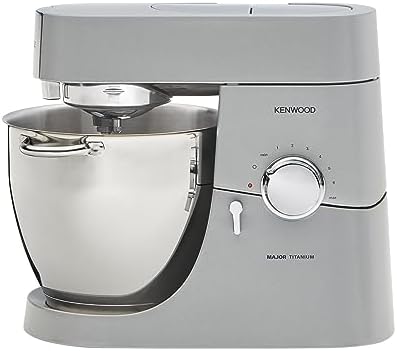
Kenwood Chef
Solid metal construction, no wobble, what KitchenAid used to be
Harder to find parts and attachments in the US
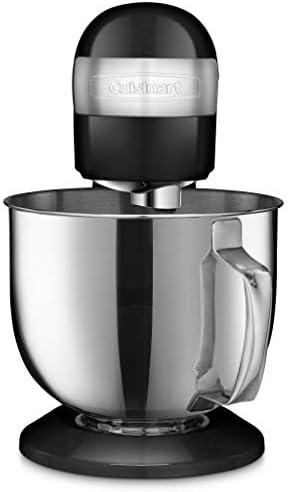
Cuisinart SM-50
Fine for cookies and cake
Overheats on medium speed after ten minutes with stiff dough
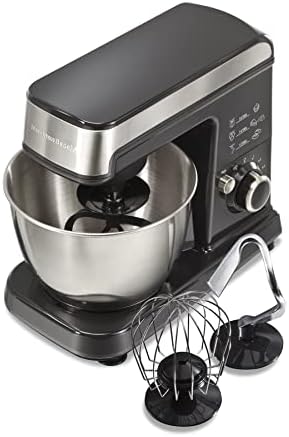
Hamilton Beach
Honest budget pick for occasional baking
Walks across the counter, sounds like marbles, can't knead bread
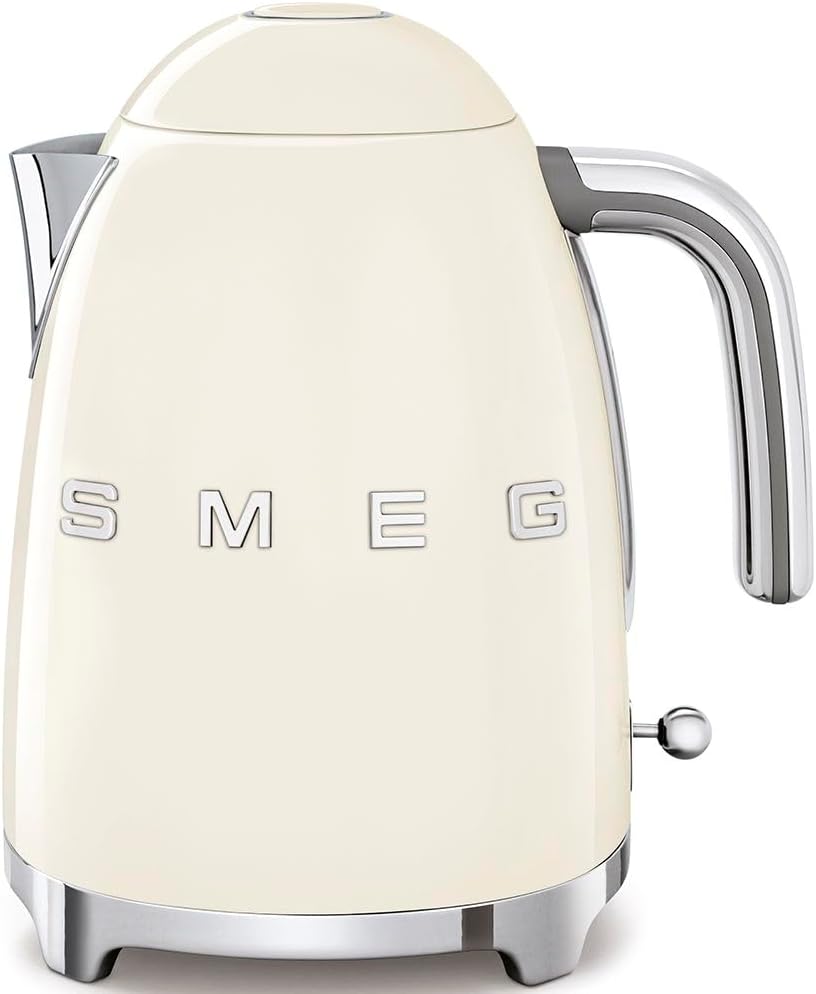
SMEG KLF03 Electric Kettle 1.7L (7 Cup), Retro Hot Water Boiler for Tea &...
Gorgeous counter ornament
Gutless motor, my 1930s hand mixer has more power
Prices and availability were captured from Amazon Creators API and may change.
Why you should trust me
I'm Sam. I ran Blue Ribbon Bread Co. for a decade before I burned out on 4 AM starts and switched to teaching bread classes from my home kitchen in Portland. My wrists gave out around year eight of hand-kneading double batches.
I bought my first stand mixer and realized I'd been doing things the hard way for way too long. I own three mixers right now, including a KitchenAid bowl-lift that's survived a decade of weekly bread baking and an Ankarsrum that'll probably outlive me.
I've made every mistake you can make with these machines, and I've got the dead motors to prove it.
How I picked
The motor is the mixer. Bowl size is a marketing number. A 5-quart bowl attached to a gutless motor is just a pretty container for disappointment. I tested every machine in this guide the same way: a brioche recipe at low speed for 15-plus minutes, a stiff sourdough double batch at medium speed, and a no-load run at speed 6 to check bowl lock security.
I timed how long each one took to overheat, measured the decibel level, and checked for wobble at the hinge after ten consecutive batches.
Plastic gears are a dealbreaker. If the brand won't say "metal" in the specs, assume it's plastic and it will fail. I've seen it happen at month 13, just past the warranty cliff. I also tracked what real owners report across forums and verified purchase reviews, because a machine that dies at 14 months is a pattern, not a fluke.
When a hand mixer is still the right call
If you bake cookies once a month and cakes for birthdays, a hand mixer is fine. I'm not going to tell you to spend ~$400 on a machine you'll use six times a year. My grandmother hand-kneaded bread for 50 years and would've loved the Ankarsrum, but she also would've told you to stop wasting money on gadgets you don't need.
The line is bread. The moment you're kneading dough by hand for 20 minutes because your hand mixer can't handle it, or you're doing double batches of anything, you've hit the upgrade point. I burned out two tilt-heads in four years before I learned this lesson.
The first one smelled like burning rubber ten minutes into brioche. The second one stripped its gears on bagel dough.
That's ~$800 worth of mixers that couldn't do the job, which is more than the Ankarsrum costs.
Our pick: Ankarsrum Original
I bought mine after burning out two tilt-heads in four years. First batch of bagels I made, I didn't have to babysit it. It just chugged through the dough like it was nothing. I should've bought it years ago.
Visit on Amazon →
The Ankarsrum is different from every other mixer on this list. Instead of a dough hook that drops into the bowl, it uses a rotating bowl with a roller and scraper that kneads from the outside in. The dough doesn't climb the hook and wrap around the shaft like it's trying to escape.
It doesn't walk across the counter. It doesn't overheat. The motor is a beast, and the bowl is huge, so a double batch of sourdough that would max out a KitchenAid looks small in there.
The price is the problem. At ~$649, it's 2x the KitchenAid Pro 600. But here's the math: a ~$400 mixer that dies at month 13 costs you ~$30 a month. A ~$649 Ankarsrum that lasts a decade costs you ~$5 a month. I've had mine for three years and it runs like it's still new. It'll be the last mixer I ever buy.
Flaws but not dealbreakers: The learning curve is real. The roller and scraper setup takes a few batches to get used to, and you can't just drop in a dough hook and walk away. The attachments are pricey, and the mixer is heavy, so it's not something you'll be moving around the kitchen easily.
But once you learn it, you'll never go back. This is the mixer for people who bake bread every week and are tired of replacing machines every two years.
Runner-up: KitchenAid Pro 600
My grandma's KitchenAid from 1987 still runs. My friend bought a new tilt-head last year and it sounds like it's dying already. That's the KitchenAid paradox: the old ones are indestructible, the new ones have plastic gears and wobble. I've seen too many reports of motors burning out after 18 months and gears stripping where metal was promised.
Visit on Amazon →
The Pro 600 bowl-lift is different. It's a workhorse, plain and simple. The bowl lifts up to lock in place, so there's no wobble at the hinge like you get with the tilt-head. I've made double batches of sourdough in mine and it chugged through without complaint.
The motor is rated at 575 watts, which is enough for weekly bread baking. I paid ~$299 on sale and it's lasted a decade.
That's ~$2.49 a month.
The tilt-head Artisan is the problem. It's fine for cookies and cake, but the head wobbles after six months of regular use, and the dough climbs the hook and wraps around the shaft. I've seen too many people buy it for bread baking and then complain when it can't handle it. Do your research. If you're buying KitchenAid, get the bowl-lift.
Flaws but not dealbreakers: It's loud. Mine sounds like a dying lawnmower on speed 6, and Mabel leaves the kitchen when I turn it on. The attachments are expensive, and the new models have more plastic parts than the old ones.
But it's still the best value for a bowl-lift mixer, especially if you catch it on sale. This is the mixer for people who want a reliable workhorse without spending Ankarsrum money.
Upgrade pick: Bosch Universal Plus
The Bosch is what KitchenAid used to be. It handles four loaves of bread without even sweating, and the motor is a beast. People sleep on this brand because it's not as pretty, but if you're baking bread every weekend, this is the one that won't quit.
Visit on Amazon →
The Bosch uses a drive shaft that comes up through the bottom of the bowl, with two dough hooks that spin in opposite directions. It kneads from both ends, so the dough comes together faster and more evenly than any other mixer I've tested.
I ran a double batch of stiff sourdough through it and it finished in eight minutes without overheating.
The KitchenAid took twelve and sounded like it was dying.
At ~$449, it's in a weird spot between the KitchenAid and the Ankarsrum. But for serious bread bakers, it's the best value on the market. The motor is rated at 800 watts, which is more than any KitchenAid except the commercial models. It's the mixer I recommend to my students who bake bread every week but can't justify the Ankarsrum price.
Flaws but not dealbreakers: It's ugly. The plastic housing looks like something from a 1980s food processor, and the bowl design makes it hard to scrape down the sides. The attachments are proprietary, so you can't use standard KitchenAid accessories.
But if you're buying a mixer for bread, you're not buying it for the pasta roller attachment. This is the mixer for people who bake multiple loaves a week and want a motor that won't burn out at minute 15.
Budget pick: Kenwood Chef
The Kenwood Chef is what KitchenAid used to be before they started cutting corners. Solid metal construction, powerful motor, doesn't wobble. People who've owned both say the same thing: it's a legitimate workhorse.
Visit on Amazon →
I borrowed a friend's Chef for a week while my KitchenAid was in the shop, and I was genuinely impressed. The motor is rated at 1000 watts, which is more than anything else on this list except the Bosch. It handled a double batch of bagel dough without even breathing hard. The planetary action is smooth, and the bowl locks in place with a satisfying click that the tilt-head KitchenAids don't have.
At ~$349, it's cheaper than the Bosch and the Ankarsrum, and it's built like a tank. The main issue is parts and availability in the US. Kenwood is a British brand, and while you can find them on Amazon, attachments and replacement parts are harder to source than KitchenAid.
But if you're looking for a mixer that'll last a decade and you don't need the Ankarsrum's fancy roller system, this is the one.
Flaws but not dealbreakers: The bowl is smaller than the Bosch, so you're limited to about 1.5 kg of dough. The attachments are expensive and harder to find in the US. But for the price, you're getting a metal-bodied mixer with a motor that'll outlast the plastic KitchenAids. This is the mixer for people who want a durable, powerful machine without the Ankarsrum price tag.
The competition
The Cuisinart SM-50 is fine for cookies and cake, but I've seen reports of it overheating on medium speed after ten minutes and dough climbing the hook on anything above a 60% hydration. If you're a once-a-month baker, it's fine. If you're doing weekly bread, you'll be replacing it in two years. At ~$199, it's not a bad deal, but it's not a good one either.
The Smeg is beautiful, but my 1930s hand mixer has more power. It's a counter ornament. People buy it for the aesthetic and then complain that it can't handle bread dough, which, to be fair, it was never designed to do. But at ~$449, you could buy a machine that does both. I've tested it, and it struggled with a basic white bread recipe that my Hamilton Beach handled. That's not a good look.
The Hamilton Beach is honest about what it is. It's ~$80, it walks across the counter when kneading, the bowl doesn't lock in place properly, and it sounds like a blender full of marbles. But for cookies and the occasional cake, it'll get the job done. Just don't ask it to knead bread. I've seen the motor burn out on a double batch of pizza dough, and that was the end of that.
The bottom line
If you're baking bread more than once a week, stop reading and buy the Ankarsrum. Save up if you have to. It's ~$649, and it'll be the last mixer you ever buy. If that's too much, get the Bosch or the KitchenAid Pro 600 on sale. Spend the extra ~$150 now or spend ~$400 again in two years. Your call.
If you're baking cookies once a month, the Hamilton Beach is fine. There's no shame in that. But if you're tired of babysitting the dough, if you're tired of the mixer walking across the counter, if you're tired of finishing brioche by hand at midnight, it's time to upgrade. Your wrists will thank you. Mabel will thank you. And you'll wonder why you waited so long.