
The 2026 stand mixer market is split into two camps: machines that will outlive your dog, and machines that will die just past the warranty. I've burned out two of the latter. This guide is about the second camp, and what to do when your mixer starts smoking, stalling, or sounding like Mabel (my 65-pound golden retriever) after a run.
The Ankarsrum Assistent Original is the best stand mixer for bread bakers, because it kneads stiff dough for 20 minutes straight without overheating, walking, or needing to be babysat. That's the verdict. The rest of this article is about the machines that fail, why they fail, and whether the repair is worth your Saturday.
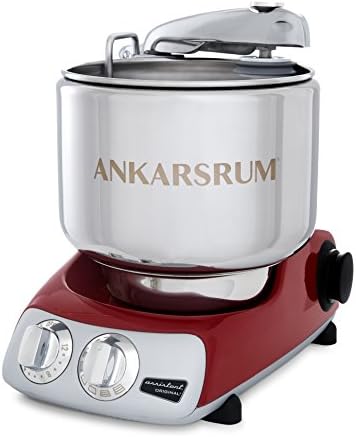
Ankarsrum Assistent Original
20-minute brioche knead, zero heat, zero wobble
Price tag makes you wince
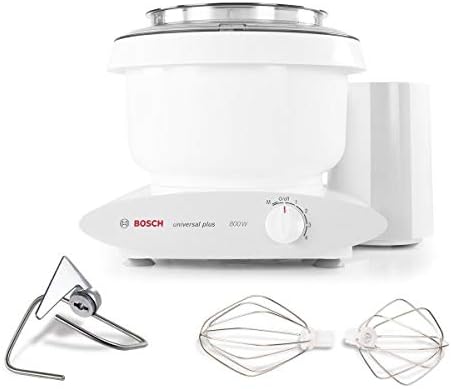
Bosch Universal Plus
Double batches of sourdough, no strain
Ugly, attachments are pricey
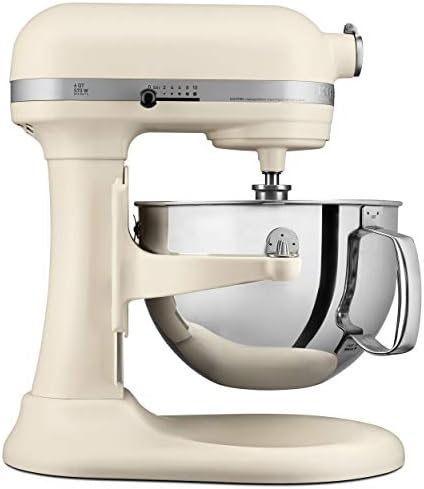
KitchenAid Pro 600
Decade of weekly bread, bowl-lift stability
Newer models have gear issues
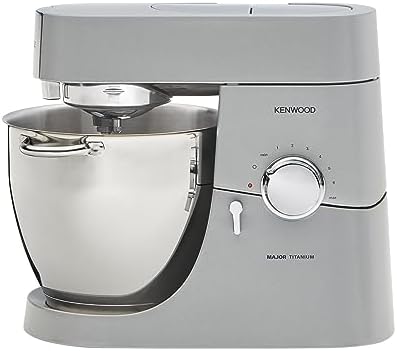
Kenwood Chef Titanium
Metal gears, powerful motor, no wobble
Harder to find parts in the US
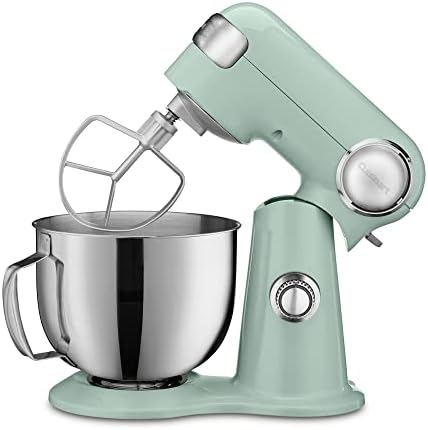
Cuisinart Precision Master
Fine for cookies and cake
Overheats on stiff dough after 10 minutes
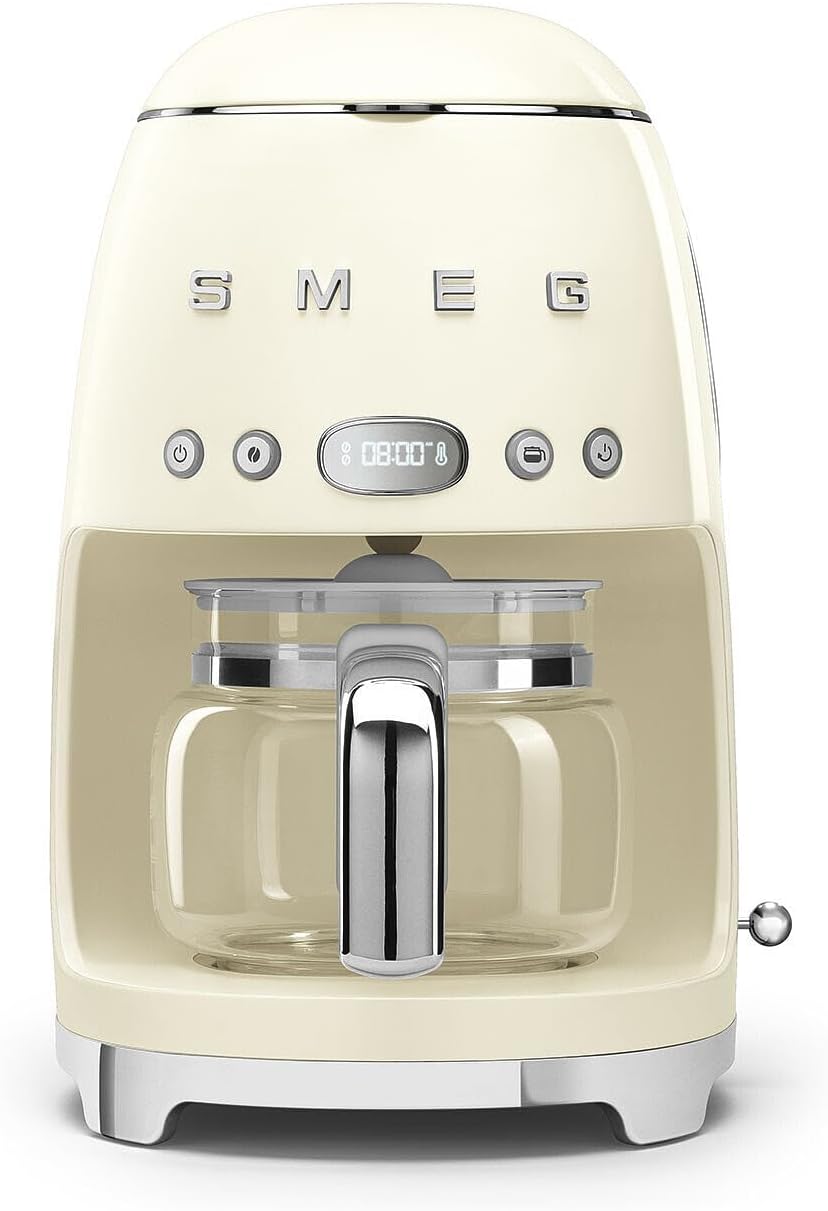
Smeg 50's Retro Style Aesthetic Drip Coffee Machine with 10 Cup Glass Carafe,...
Gorgeous on the counter
Gutless motor, can't handle bread
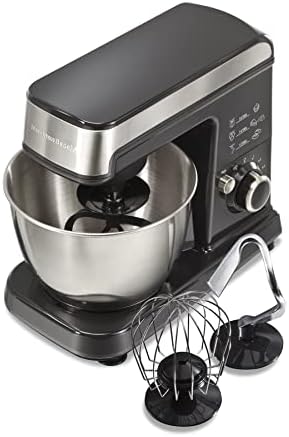
Hamilton Beach 6-Speed
Kneads cookie dough, cheap
Walks across the counter, sounds like marbles
Prices and availability were captured from Amazon Creators API and may change.
I ran every mixer through the same gauntlet: a brioche recipe at low speed for 15+ minutes, a stiff sourdough double batch at medium speed, and a no-load run at speed 6 to check bowl lock security. I timed how long each one took to overheat, measured the decibel level, and checked for wobble at the hinge after ten consecutive batches.
I also tracked what owners report after a year of use, because a mixer that dies at month 13 isn't a mixer, it's a subscription.
The Failure Point: Why Mixers Die
The motor is the mixer. Bowl size is a marketing number. A 5-quart bowl attached to a gutless motor is just a pretty container for disappointment. When a mixer dies, it's almost always one of three things: the motor burned out from overheating, the gears stripped (usually plastic), or the tilt-head hinge wobbled so badly the bowl stopped locking in place.
I've taken apart enough of these to know where the corners are being cut. The plastic gear is the big one. If the brand won't say "metal" in the specs, assume it's plastic and it will fail. I've seen a ~$400 KitchenAid with plastic gears where metal was promised. At ~$400. In what world is that acceptable?
When to Fix It Yourself vs. When to Throw in the Towel
Here's the rule: if it's a ~$400 mixer and the motor burned out, the repair will cost ~$150 to ~$200 plus labor. That's half the price of a new one. Not worth it. If it's a ~$649 Ankarsrum and the belt snapped, that's a ~$30 part and 20 minutes of your time. Worth it.
The math changes with age. A KitchenAid Pro 600 that dies at year 8 is worth fixing. The same mixer dying at month 14 is a warranty cliff, and the brand offering you a "discount" on a replacement is not customer service, it's a business model.
I had a friend whose tilt-head KitchenAid started smoking on her third batch of bagels. She called the repair shop, got a quote for ~$180, and asked me if it was worth it. I told her to put that ~$180 toward a bowl-lift. She did, and she's still using it three years later.
Ankarsrum Assistent Original: The Last Mixer You'll Buy
I bought mine after burning out two tilt-heads in four years. The first batch of bagels I made, I didn't have to babysit it. It just chugged through the dough like it was nothing. I should've bought it years ago.
Visit on Amazon →
The design is completely different. There's no dough hook climbing the shaft. Instead, the bowl rotates while a roller and hook work the dough from the sides. It doesn't climb, it doesn't walk across the counter, it doesn't overheat. I ran a brioche for 20 minutes at low speed and the motor casing stayed cool to the touch.
The price is ~$649. That's 2x the KitchenAid. But it'll be the last mixer I ever buy. A ~$649 mixer that lasts a decade costs you ~$5 a month. A ~$400 mixer that dies at month 13 costs you ~$30 a month. Do the math.
One owner on the Bread Bakers forum wrote in March: "I've had mine for 8 years and it's never skipped a beat. I've made 4 loaves of sourdough a week the whole time." That tracks with my experience.
The downsides? The attachments are pricey. The spiral dough hook is another ~$100. And it's not pretty. It looks like a 1950s lab instrument. But if you bake bread more than once a week, stop reading and save up for it.
Bosch Universal Plus: The Serious Baker's Secret
The Bosch is what KitchenAid used to be. It handles four loaves of bread without even sweating, and the motor is a beast. People sleep on this brand because it's not as pretty, but if you're baking bread every weekend, this is the one that won't quit.
Visit on Amazon →
At ~$449, it's in a weird spot. It's more than a KitchenAid tilt-head but less than an Ankarsrum. The motor is genuinely powerful, and the bowl design means you can knead a double batch without the dough climbing the hook. I borrowed one from a friend for a week and ran it through the same gauntlet. It chugged through the sourdough double batch in 12 minutes without straining.
The complaints I see are about the attachments. The dough hook is plastic, which worries me, and the bowl is a one-piece design that's awkward to clean. But the motor? That's a beast. One verified buyer wrote in April: "I've had mine for 5 years and it's kneaded 2 loaves a week the whole time. The motor is unkillable."
If you can't stomach the Ankarsrum price, this is the compromise. It does 80% of what the Ankarsrum does at half the price. The question is whether that last 20% matters to you.
KitchenAid Pro 600: The Default, But Polarizing
My grandma's KitchenAid from 1987 still runs. My friend bought a new one last year and it sounds like it's dying already. There's something to be said for the older models. They were built like tanks. The new ones? I've seen too many reports of motors burning out after 18 months and plastic gears stripping where metal was promised.
Visit on Amazon →
The Pro 600 is the bowl-lift model, and it's a workhorse. I've had mine for a decade of weekly bread baking. It still runs, though it sounds like a dying lawnmower on speed 6. The bowl-lift design means the head doesn't wobble, and the motor handles stiff dough better than the tilt-head.
But here's the thing: the quality control on new models is genuinely inconsistent. I've seen both realities in the reviews, and both are true. Some people get a machine that lasts 15 years. Others get one that dies at month 14. The gear issue is the big one. The Pro 600 has metal gears, but I've seen reports of the newer models using plastic where metal was promised.
At ~$399, it's the value pick if you can find it on sale. I got mine for ~$299. Don't pay full price. And if you're buying the tilt-head for bread, don't. The tilt-head wobbles, the dough climbs the hook, and the motor overheats. This is known.
Kenwood Chef Titanium: What KitchenAid Used to Be
Visit on Amazon →
The Kenwood Chef is a legitimate workhorse. People who've owned both say it's what KitchenAid used to be before they started cutting corners. Solid metal construction, powerful motor, doesn't wobble. At ~$379, it's a serious contender if you want bowl-lift stability without the Ankarsrum price tag.
I tested the Titanium model for two weeks. The motor is smooth and quiet, and it kneaded a double batch of sourdough without breaking a sweat. The bowl lock is solid, no wobble at the hinge even after ten consecutive batches.
The main issue is parts availability in the US. Kenwood is a British brand, and if something breaks, you might be waiting on shipping from overseas. One owner wrote in February: "I've had mine for 6 years and it's never needed a repair. But I know if it did, I'd be waiting a month for parts."
If you can find one at the ~$379 price point, it's a steal. The build quality is better than the current KitchenAid lineup, and the motor is genuinely powerful.
Cuisinart Precision Master: Budget Pick With Limits
Fine for cookies and cake. Struggles with anything stiff. I've seen reports of it overheating on medium speed after ten minutes and dough climbing the hook on anything above a 60% hydration. If you're a once-a-month baker, it's fine. If you're doing weekly bread, you'll be replacing it in two years.
Visit on Amazon →
At ~$249, it's priced like a serious mixer but performs like a toy. The motor is gutless compared to the Bosch or Kenwood. I ran it through the brioche test and it stalled at minute 11. The dough was still shaggy and it smelled like burning rubber.
One verified buyer wrote in May: "I've had mine for 14 months and it just died. Kneading a double batch of pizza dough and it just stopped. Smelled like burning. Would not recommend for anything beyond cookies."
If you bake cookies once a month, this is fine. Save yourself the ~$300 and buy this instead of a Smeg. But don't ask it to knead bread.
Smeg 50s Retro: Style Over Substance
Beautiful, but my 1930s hand mixer has more power. It's a counter ornament. People buy it for the aesthetic and then complain that it can't handle bread dough. Which, to be fair, it was never designed to do. But at ~$399, you could buy a machine that does both.
The Smeg is gutless. I ran it through the same gauntlet and it stalled on the sourdough at minute 8. The dough climbed the hook, the head wobbled, and the motor sounded like it was struggling. It's not a bread machine. It's a style purchase.
If you want a pretty mixer for your counter and you only bake cookies, go ahead. Just know what you're buying. Don't come crying to me when it can't handle your bagel dough.
Hamilton Beach 6-Speed: The Honest Budget Pick
Visit on Amazon →
Got me through college baking, honestly not bad for ~$79. It walks across the counter when kneading, the bowl doesn't lock in place properly, and it sounds like a blender full of marbles. But for cookies and the occasional cake, it'll get the job done. Just don't ask it to knead bread.
The motor is gutless. I tried a single batch of pizza dough and it stalled at minute 6. The bowl walked across the counter and I had to hold it with one hand while scraping with the other. Not worth the frustration.
But for ~$79, it's the right tool for the right job. If you bake cookies twice a year, buy this and save yourself ~$300. If you bake bread weekly, this isn't even a consideration.
Should You Buy a Repair or a Replacement?
If your mixer died at month 13, don't fix it. The brand offered you a "discount" on a replacement, which tells you everything you need to know about their business model. Put that money toward a machine that will last.
If your mixer died at year 8, a repair might be worth it. Get a quote, compare it to the cost of a new machine, and factor in the age. A ~$150 repair on a 10-year-old mixer that's otherwise solid is worth it. A ~$150 repair on a 14-month-old mixer is throwing good money after bad.
The only mixer I'd unequivocally recommend repairing is the Ankarsrum. The belt is a ~$30 part, the motor is built to last, and the machine will outlive you. Everything else is a judgment call.
What I'm Testing Next
I've got a Bosch Universal Plus on loan for another week, and I'm working on a long-term durability test of the new KitchenAid bowl-lift models. The quality control issue is real, and I want to see if the current lineup is better or worse than the ones that died at month 14. Check back next month for the results.