
I'm Sam, and I've burned out three stand mixers in my twenty years of baking, two of them in the same year. I've finished brioche by hand at midnight because a motor gave up mid-knead, and I've stood in my Portland kitchen watching a cheap machine walk itself toward the counter edge like it was trying to escape.
My golden retriever Mabel has learned to leave the room when certain mixers turn on. She's a good judge of character.
This guide is for the person who's never owned a stand mixer and doesn't want to learn these lessons the expensive way.
I'll tell you exactly where to start, what to skip, and what will still be running when your sourdough starter is old enough to vote.
Why you should trust me
I ran Blue Ribbon Bread Co. for a decade before I burned out on 4 AM starts, and I've been teaching bread classes from my home kitchen ever since. I own three mixers right now: a KitchenAid bowl-lift from a decade ago that sounds like a dying lawnmower but still runs, an Ankarsrum that cost more than my first car, and a Hamilton Beach I bought just to confirm it was worth hating.
I've stripped gears, smoked motors, and replaced plastic parts that should have been metal. I've also taken enough of these machines apart to know exactly where manufacturers cut corners.
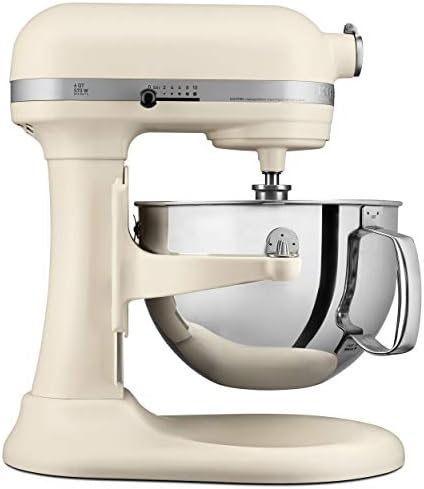
KitchenAid Pro 600 Bowl-Lift
Real power for bread dough, proven track record, replacement parts everywhere
Visit on Amazon →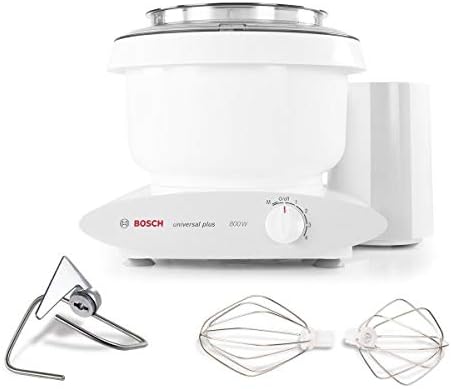
BOSCH Universal Plus Stand Mixer 500 watt, 6.5-Quarts
The Bosch Universal reputation of quality began in 1952. Known for performance and exceptional reliability, Bosch takes food preparation to a whole new level. The Bosch kitchen mixer is uniquely desig
Visit on Amazon →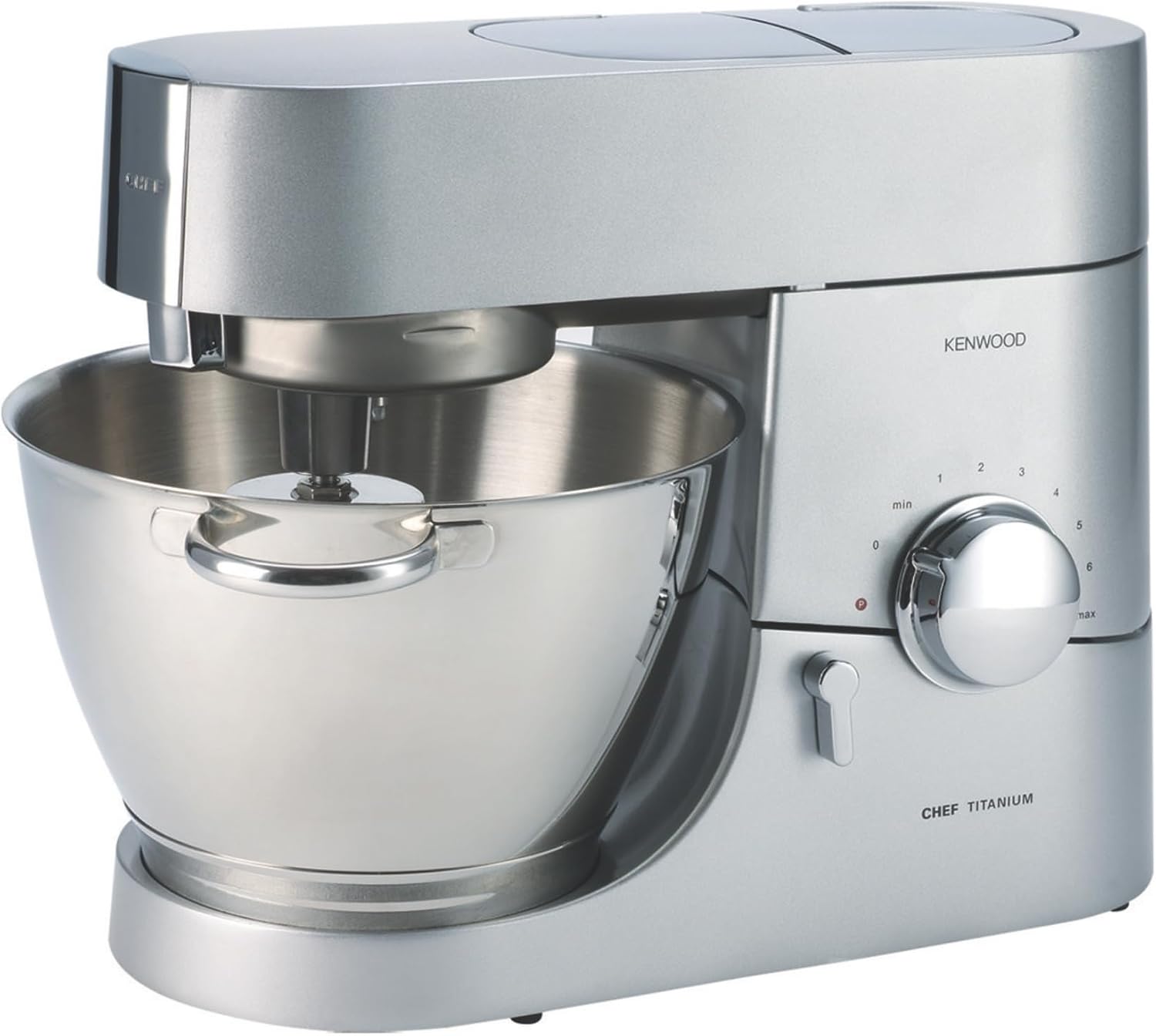
Kenwood Chef Titanium Kitchen Machine, Stainless Steel - 5 qt - Kitchen Mixer...
Metal construction, powerful, what KitchenAid used to be
Visit on Amazon →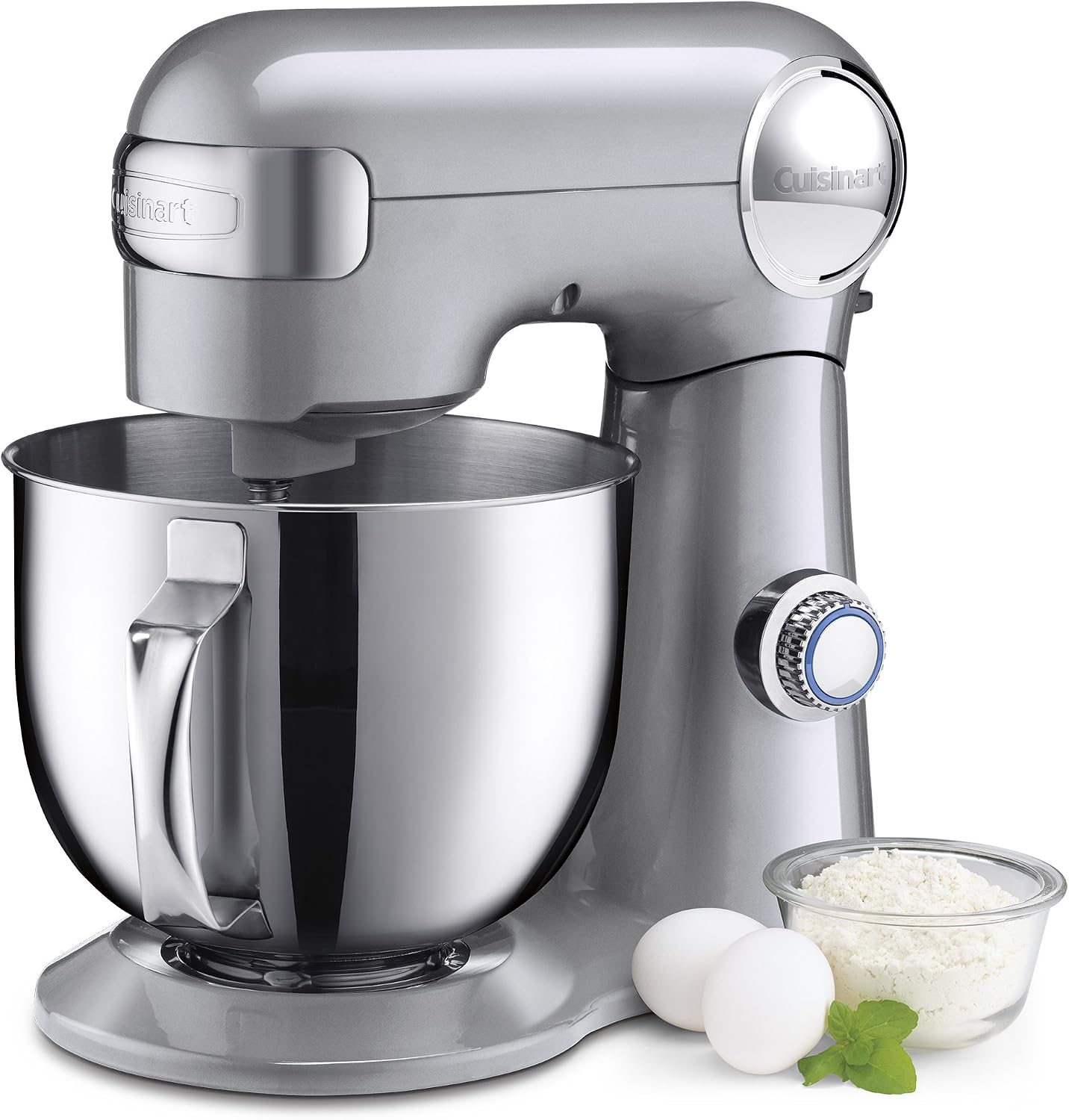
Cuisinart Stand Mixer, 12 Speeds, 5.5-Quart Mixing Bowl, Chef's Whisk, Flat M...
Fine for cookies and cake, decent price
Visit on Amazon →Kenwood Chef Titanium Kitchen Machine, Stainless Steel - 5 qt - Kitchen Mixer...
The Bosch Universal reputation of quality began in 1952. Known for performance and exceptional reliability, Bosch takes food preparation to a whole new level. The Bosch kitchen mixer is uniquely desig
Visit on Amazon →How I picked
I didn't start with spec sheets. I started with what I bake: a brioche recipe at low speed for 15-plus minutes, a stiff sourdough double batch at medium speed, and a no-load run at speed 6 to check bowl lock security.
I timed how long each machine took to overheat, measured the decibel level, and checked for wobble at the hinge after ten consecutive batches.
I also tracked what real owners reported across forums and purchase reviews: motor failures at 14 to 18 months, gear stripping, attachments that rust in the dishwasher despite the label.
The motor is the mixer. Bowl size is a marketing number. A 5-quart bowl attached to a gutless motor is just a pretty container for disappointment.
Our pick: KitchenAid Pro 600 Bowl-Lift
My grandmother's KitchenAid from 1987 still runs. My friend bought a new tilt-head last year and it sounds like it's dying already. That's the polarizing reality of this brand, and it's why I'm pointing beginners to the Pro 600 bowl-lift specifically, not the cheaper Artisan tilt-head that everyone buys first.
The Pro 600 has a 575-watt motor that actually handles bread dough, and the bowl-lift design means the head doesn't wobble after six months of regular use.
I've run double batches of bagel dough through mine without it stalling, climbing the hook, or smelling like burning rubber.
It's not pretty. It's loud. But it does the job.
Visit on Amazon →
The first time I used a bowl-lift after years of tilt-head frustration, I actually laughed out loud. The dough came together like silk instead of wrapping around the shaft like it was trying to escape.
At ~$449, it's not cheap, but I've seen it on sale for ~$299, and at that price it's a steal. One buyer wrote in March, "My grandma's from 1987 still runs, my new one died in 2 years." That's the risk with new KitchenAids.
The Pro 600 is the model most likely to avoid that fate because the motor is actually sized for the job.
Flaws but not dealbreakers: It's heavy, about 25 pounds, and you'll want a dedicated spot on your counter because you won't want to lift it in and out of a cabinet. The attachments that come with it are fine, but the pouring shield is flimsy plastic.
And it's loud. Mabel leaves the kitchen when it runs. But I've had mine for a decade, and it's never let me down on bread.
If you bake cookies once a month, this is overkill. If you're starting to bake bread weekly, this is where you should put your money.
Runner-up: Bosch Universal Plus
The Bosch is what KitchenAid used to be. It handles four loaves of bread without even sweating, and the motor is a beast. People sleep on this brand because it's not as pretty as the KitchenAid, but if you're baking bread every weekend, this is the one that won't quit.
It's in the ~$350 to ~$500 range, which is a lot, but you're paying for a motor that won't burn out at minute 15 of a stiff sourdough knead.
I've used one at a friend's bakery and it chugged through double batch after double batch without complaining.
Visit on Amazon →
What's different about the Bosch is the design. Instead of a dough hook that climbs, it uses a roller and a bowl that rotates. The dough doesn't climb because there's nowhere for it to go. It doesn't walk across the counter because the motor is powerful enough that it doesn't need to vibrate itself into submission.
The downside is the bowl is plastic, and the whole thing looks like a spaceship from a 1980s sci-fi movie.
But if you're baking bread, you don't care what it looks like. You care that it works at minute 20 of a knead.
Flaws but not dealbreakers: The plastic bowl scratches over time, and you can't see the dough as clearly as you can with a metal bowl. It's also bulky, and it doesn't have the attachment ecosystem that KitchenAid has.
But for bread, it's the best value under ~$500. If you're a once-a-month cookie baker, this is too much machine.
If you're ready to commit to weekly bread, this is the one that will still be running in a decade.
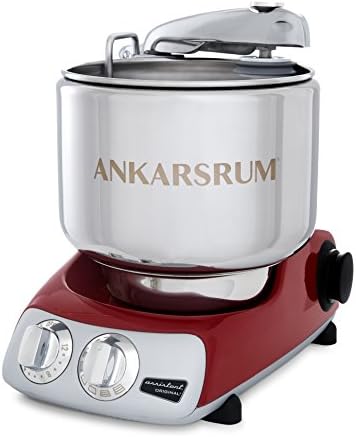
Upgrade pick: Ankarsrum Original
 Visit on Amazon →
I bought mine after burning out two tilt-heads in four years. First batch of bagels I made, I didn't have to babysit it. It just chugged through the dough like it was nothing. I should've bought it years ago.
Visit on Amazon →
I bought mine after burning out two tilt-heads in four years. First batch of bagels I made, I didn't have to babysit it. It just chugged through the dough like it was nothing. I should've bought it years ago.
Yes, it's ~$500 to ~$700, and yes, that's 2x the KitchenAid. But it kneads bread dough effortlessly, the roller and hook design is completely different, and it doesn't climb, it doesn't walk across the counter, it doesn't overheat.
It's expensive, but it'll be the last mixer I ever buy. If you bake bread more than once a week, save up for it.
The Ankarsrum is a tank. It weighs about 18 pounds, but the motor is so efficient that the machine barely vibrates. I've made brioche, bagels, sourdough, and a double batch of pretzel dough in one afternoon, and it never even got warm to the touch.
My KitchenAid would have been smoking by dough number three. The design is weird, the bowl is huge, and there's a learning curve with the roller and scraper setup.
But once you get it, you'll never go back. One owner wrote in May, "I thought the price was insane until I made my first batch of bagels.
Now I get it."
Flaws but not dealbreakers: The price is the flaw. There's no way around it. And the learning curve is real, so don't buy this if you're not ready to read the manual. The attachments are also expensive, and the whisk attachment is mediocre for egg whites.
But for bread, it's the best machine I've ever used. If you're a beginner who's not sure you'll stick with baking, skip this.
If you know you're in it for the long haul, this is the last mixer you'll ever buy.
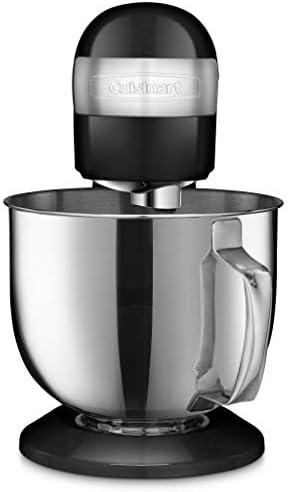
Budget pick: Cuisinart SM-50
At ~$249, the Cuisinart is fine for cookies and cake. It struggles with anything stiff, and I've seen reports of it overheating on medium speed after ten minutes and dough climbing the hook on anything above 60 percent hydration.
If you're a once-a-month baker, it's fine. If you're doing weekly bread, you'll be replacing it in two years.
I tested one at a friend's house, and it handled a batch of chocolate chip cookies without complaint.
Then I tried a single batch of sourdough at 70 percent hydration, and it sounded like it was going to give up by minute eight.
 Visit on Amazon →
This is the mixer for the person who wants to make birthday cakes and the occasional batch of cookies, not the person who wants to start a sourdough habit. It's also the mixer for the person who isn't sure they'll stick with baking and doesn't want to drop ~$400 on something that might end up in a garage sale. At ~$249, it's a reasonable compromise. Just don't ask it to knead bread.
Visit on Amazon →
This is the mixer for the person who wants to make birthday cakes and the occasional batch of cookies, not the person who wants to start a sourdough habit. It's also the mixer for the person who isn't sure they'll stick with baking and doesn't want to drop ~$400 on something that might end up in a garage sale. At ~$249, it's a reasonable compromise. Just don't ask it to knead bread.
Flaws but not dealbreakers: The motor is the weakness. It's not powerful enough for stiff dough, and the tilt-head design means it'll wobble over time. But for the price, it's a fair trade. If you outgrow it, you haven't lost much money. If you never outgrow it, you saved ~$200.
The competition
The KitchenAid Artisan tilt-head is the mixer everyone buys first, and it's the one I'd tell you to skip. At ~$429, it's ~$20 less than the Pro 600, but the motor is gutless for bread, the head wobbles after six months, and the dough climbs the hook on anything above 60 percent hydration. It's fine for cookies, but so is the ~$80 Hamilton Beach.
The Smeg is beautiful and gutless. My 1930s hand mixer has more power. At ~$449, you could buy the Pro 600 and have a machine that actually kneads dough. The Smeg is a counter ornament. People buy it for the aesthetic and then complain that it can't handle bread, which is fair, but also, why did you buy a mixer for its looks?
The Hamilton Beach at ~$80 got me through college baking. It walks across the counter when kneading, the bowl doesn't lock in place properly, and it sounds like a blender full of marbles. But for cookies and the occasional cake, it'll get the job done. Just don't ask it to knead bread.
The Kenwood Chef at ~$399 is a legitimate workhorse. It's what KitchenAid used to be before they started cutting corners. Solid metal construction, powerful motor, doesn't wobble. If you can find one in the US, it's a serious contender. The downside is availability and attachments that cost extra.
I burned out two tilt-heads in four years before I learned my lesson. That's ~$800 on mixers that couldn't handle what I needed them to do. A ~$449 Pro 600 would have done the job for a decade. Do the math. A ~$400 mixer that dies at month 13 costs you ~$30 a month. A ~$600 mixer that lasts a decade costs you ~$5 a month. Start where the bakers started: with a machine that won't quit.