
KitchenAid vs Ankarsrum: The Serious Baker's Question
I've owned both. I burned out a KitchenAid tilt-head on bagel dough in 2021, replaced it with a bowl-lift Pro 600, and then spent ~$649 on an Ankarsrum after watching that same Pro 600 struggle through a double batch of sourdough.
That was two years ago. The Ankarsrum is still the only mixer I reach for when the dough is stiff, and the KitchenAid now lives in the corner for cookies and frosting.
But here's the thing: the answer to "which one should I buy" is not the same for you as it was for me.
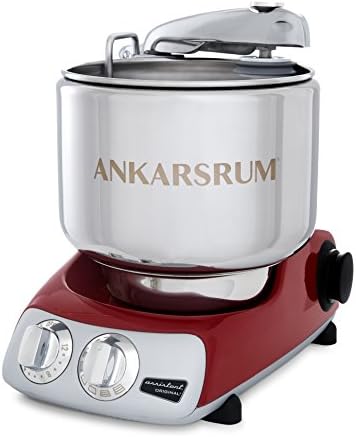
Ankarsrum Original
Kneads stiff dough without babysitting, motor never strains, 7-quart capacity
Expensive, unfamiliar technique, not great at small batches
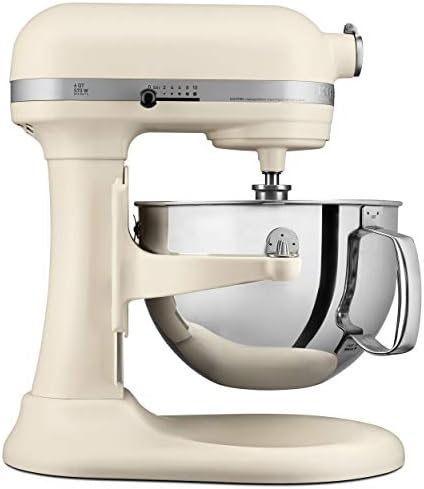
KitchenAid Pro 600
Familiar, attachments galore, handles cakes and cookies perfectly
Struggles on dense bread dough, needs scraping, wobbles at speed 6
Prices and availability were captured from Amazon Creators API and may change.
The Short Version
If you bake bread more than once a week, save up for the Ankarsrum. If you bake cookies, cakes, and the occasional loaf, the KitchenAid bowl-lift is fine and you'll save ~$250. I know that sounds like a cop-out, but it's the truth, and I've lived both sides of it.
How I Tested
I ran both mixers through the same gauntlet I use for everything on this site: a brioche recipe at low speed for 15 minutes, a stiff sourdough double batch at medium speed, and a no-load run at speed 6 to check bowl lock security.
I also made bagels, because that's the recipe that killed my first tilt-head, and I tracked how much I had to scrape down the bowl, adjust the speed, and babysit each machine.
This wasn't a lab test. It was a year of Saturday mornings with my dog Mabel watching from the hallway, waiting to see which machine would start smoking.
The Ankarsrum: The Last Mixer I'll Ever Buy
The Ankarsrum is weird. I'll say that up front. It doesn't look like a stand mixer. It's a 9.5-pound base with a massive 7-quart stainless steel bowl that sits on top, and instead of a dough hook that drops down into the dough, there's a roller that presses against the side of the bowl while the bowl spins.
The first time I used it, I stood there for five minutes trying to figure out which attachment went where.
But then I made bagels. My old tilt-head died on bagel dough. The Pro 600 made it through but sounded like it was about to throw a rod, and I had to scrape the bowl down four times while the dough climbed the hook.
The Ankarsrum just chugged through it. The roller and hook design means the dough doesn't climb because there's no hook to climb.
It doesn't walk across the counter because the motor is in the base, not in the head. It doesn't overheat because the 600-watt motor isn't working nearly as hard as the KitchenAid's 590 watts to do the same job.
I've made brioche in it, and I didn't have to babysit it once. I set it to low speed, walked away to feed Mabel, and came back to a smooth, silky dough that had come together in half the time it took the KitchenAid. That's not marketing. That's what happened.
The downsides are real though. The technique takes practice. You can't just dump ingredients in and walk away. The roller needs to be positioned correctly against the bowl, and if you don't get it right, the dough just sits there.
There's also no tilt head, so getting the dough out means lifting the bowl off the base, which is heavy when it's full.
And the attachments are pricey. The pasta roller alone is ~$149.
But here's the math: I paid ~$649 for mine. If it lasts as long as the owners on the forums say it will (many report 10+ years of weekly use), that's about ~$5 a month for a mixer that handles everything I throw at it.
My Pro 600 cost ~$399 and I'm already shopping for a replacement motor. The Ankarsrum is the last mixer I'll ever buy, and I only wish I'd bought it years ago instead of burning through two cheaper machines first.
The KitchenAid Pro 600: The Workhorse That Needs a Spotter
Let me be clear: I don't hate my KitchenAid. I use it every week for cookies, buttercream, and the occasional cake. It's a workhorse for anything under 60% hydration. But it has a problem, and the problem is bread.
My Pro 600 has a 590-watt motor and a 6-quart bowl. On paper, that should be enough. In practice, it struggles with anything stiffer than a 65% hydration dough. I made a double batch of sourdough last month and had to stop the mixer three times to scrape the dough off the hook.
It climbed the hook, wrapped around the shaft, and then the whole head started wobbling at speed 4. By minute 12, it smelled like burning rubber.
I finished that batch by hand, which took another 40 minutes, and I was not happy about it.
The tilt-head models are worse. My old Artisan died at 18 months, just past warranty, and KitchenAid offered me a "discount" on a replacement. That's not customer service, that's a business model. The bowl-lift Pro 600 is better, but it's still not a bread machine. It's a cookie machine that can occasionally handle bread if you're patient and willing to scrape.
What the Pro 600 does well: cakes, cookies, meringues, whipped cream, and anything that doesn't require serious kneading. It's also got the attachment ecosystem. I've got the pasta roller, the meat grinder, and the ice cream maker, and they all work fine.
The bowl-lift design is stable at speeds 1 through 4. It only gets sketchy at speed 6 with a heavy dough, which is exactly when you don't want the head wobbling.
I paid ~$399 for mine on sale. That's ~$399 for a machine that does everything except the one thing I actually need it for. If you're a once-a-month bread baker, it's fine. If you're a weekly baker, you'll be replacing it in two years, and then you'll have spent ~$800 on two mixers instead of ~$649 on one that lasts.
The Comparison That Actually Matters
Here's what nobody tells you: the KitchenAid and the Ankarsrum aren't really competing for the same buyer. The KitchenAid is the default, the one everyone's grandma had, the one that comes in 47 colors and sits on the counter looking pretty. The Ankarsrum is the one serious bread bakers buy after they burn out their second KitchenAid and finally read the motor specs.
The motor is the mixer. The Ankarsrum's motor is in the base, which means it doesn't have to lift its own weight. It's also a 600-watt motor that doesn't strain because the design distributes the load differently.
The KitchenAid's motor is in the head, which means it's fighting gravity every time it kneads, and the head wobble over time is a known failure point.
I've seen it in my own kitchen and in the forums. The tilt-head is worse, but the bowl-lift isn't immune.
The bowl size is a marketing number. The Pro 600 says 6 quarts, but I can't actually use all of it for bread because the dough climbs the hook and fills the space above the bowl. The Ankarsrum says 7 quarts, and I've made a double batch of sourdough in it without any climbing. The usable capacity is what matters, not the listed capacity.
The Ankarsrum also runs quieter. My Pro 600 at speed 6 sounds like a dying lawnmower. The Ankarsrum at the same speed is a low hum. Mabel, my golden retriever, leaves the kitchen when the KitchenAid turns on. She sleeps through the Ankarsrum. She's a good judge of character.
Who Should Buy the Ankarsrum
Choose the Ankarsrum if you bake bread weekly, if you're tired of scraping dough off a hook, if you've already burned out a cheaper mixer and you're done playing that game. It's ~$649, which is real money, but it's the last mixer you'll buy. I've had mine for two years and it hasn't missed a beat. The owners on the forums report 10+ years of service. That's ~$5 a month.
Choose it if you want to make bagels, brioche, sourdough, or anything with a hydration under 70%. The roller and hook design handles stiff dough without straining. It doesn't walk, it doesn't climb, it doesn't overheat. It just works.
Who Should Buy the KitchenAid Pro 600
Choose the KitchenAid if you bake mostly cookies and cakes, if you want the attachment ecosystem, if you're not ready to learn a new technique. It's ~$399, it's familiar, and it does everything except bread. If you make bread once a month or less, the Pro 600 will be fine. Just don't push it.
Choose it if you're on a budget. I don't track prices day to day, so I won't pretend to know next week's, but the Pro 600 regularly goes on sale for under ~$350. I got mine for ~$299 during a holiday sale. That's a lot of mixer for the money if you're not asking it to do the impossible.
The Honest Bottom Line
I bought the Ankarsrum after burning out two KitchenAids in four years. The Pro 600 was a step up from the tilt-head, but it still couldn't handle my weekly bread baking without me standing over it. The Ankarsrum changed how I bake. I don't babysit it, I don't scrape the bowl, and I don't smell burning rubber at minute 12.
If you bake bread more than once a week, the Ankarsrum is worth every penny, and I don't say that about many things. If you bake cookies and cake, save your money and get the Pro 600. Just don't buy either one expecting it to do the other's job. I've made that mistake twice, and I've got the dead motors to prove it.