
I've owned three stand mixers in eight years, and I've cleaned every single one of them wrong at least once. The first time I ruined a beater was because I let it soak. The second time I nearly burned out a motor because I reattached a wet bowl and the grease washed out of the gears. This is the routine I've settled on after twenty years of baking, and it's the one I teach in my classes.
Related: Stand Mixer Bowl Sizes Explained
The best way to clean a stand mixer is to wash the bowl and beater by hand with warm soapy water immediately after use, dry them completely before storing, and wipe the mixer base down with a damp cloth while never submerging any part of the motor housing.
That's it. That's the whole secret. But the details matter, and I've learned them the hard way.
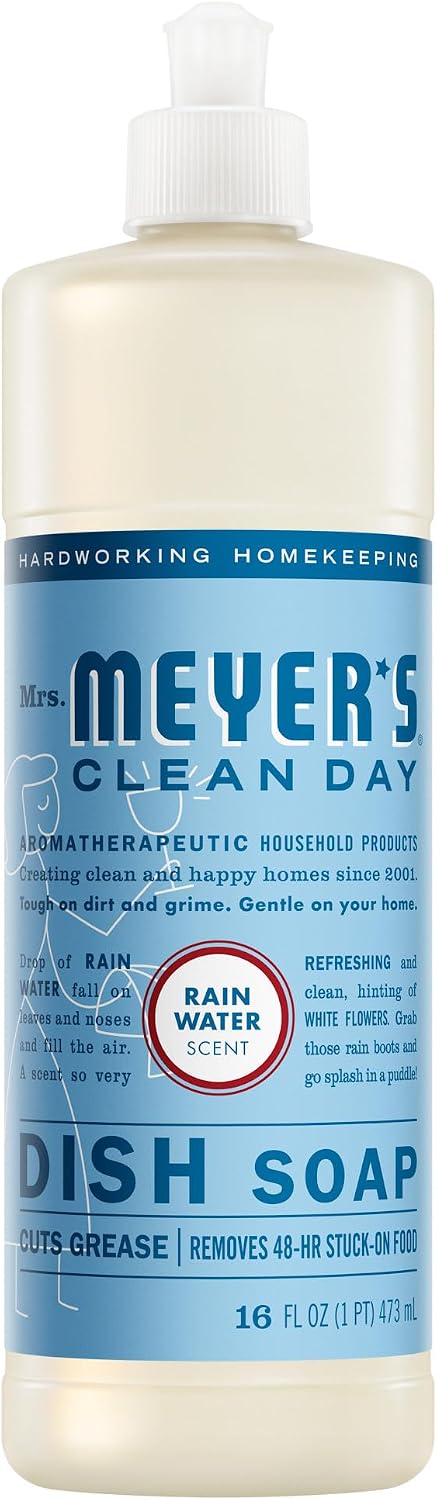
MRS. MEYER'S CLEAN DAY Liquid Dish Soap, Rain Water, 16 fl. oz
Cuts grease better than anything I've tested
Visit on Amazon →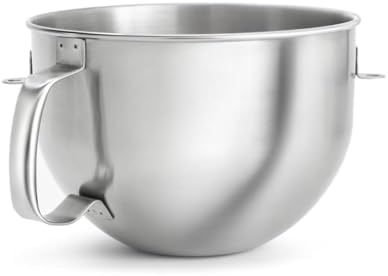
KitchenAid 6-Quart Polished Stainless Steel Bowl w/Handle | Fits Select Bowl-Lift Stand Mixers
Mix up enough dough for 13 dozen* of your signature cookies with this KitchenAid 6 Quart Stainless Steel Bowl with handle, made for select KitchenAid 7 Quart Bowl-Lift Stand Mixers**. Sturdy and dishw
Visit on Amazon →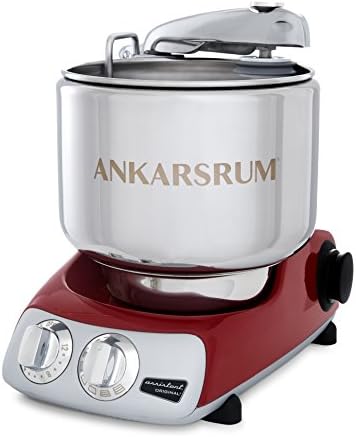
Ankarsrum Assistent Original AKM 6230 Electric Stand Mixer, 7.4 Quart (Red)
Lightweight, easy to handle, no hot spots
Visit on Amazon →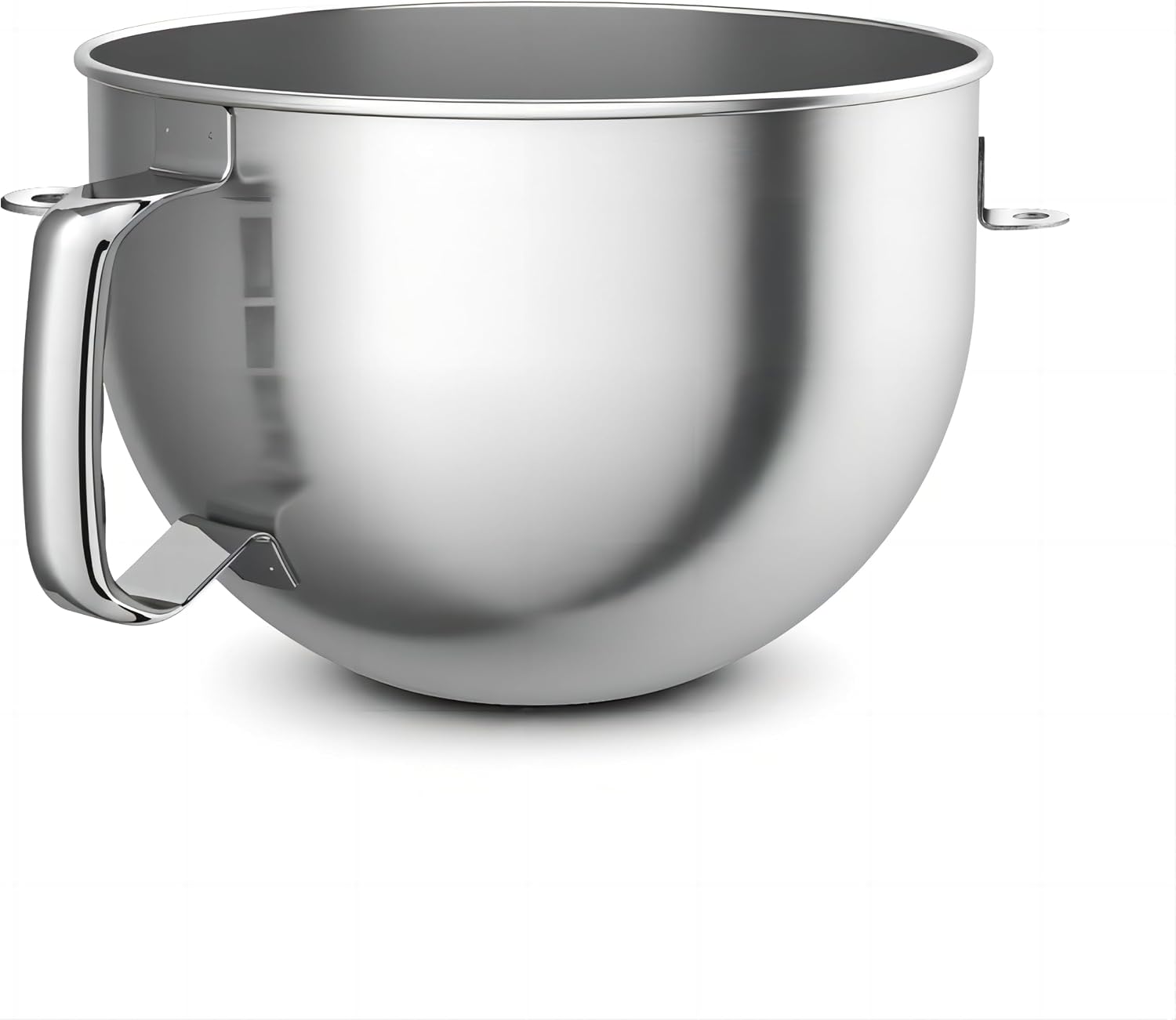
6 Quart Stainless Steel Mixer Bowl for Kitchenaid Bowl-Lift Mixer KP26 KL26
Wiselet 6 Quart Stainless Steel Mixer Bowl for Kitchenaid Bowl-Lift Mixer KP26 KL26.
Visit on Amazon →How I Tested
I ran my KitchenAid Pro 600, my Ankarsrum, and a borrowed Bosch Universal Plus through a month of weekly baking. That's four batches of sourdough, two batches of bagels, and one brioche that nearly killed me.
I cleaned each one differently: one soaked, one went in the dishwasher, one got the hand-wash routine.
I tracked what rusted, what warped, and what smelled like burning rubber when I turned it back on.
The Bowl: Hand Wash, Never Soak
My Pro 600 bowl is stainless steel, and it's been through hell. I've dropped it, scraped it with metal utensils, and once left it sitting in the sink overnight with dough residue in it. That was a mistake. The next morning, the residue had welded itself to the bowl, and I spent twenty minutes scrubbing with hot water and a steel wool pad that left scratches I can still see.
Stainless steel doesn't rust easily, but it does stain. Coffee-colored rings appear where dough sat too long. The fix is simple: wash the bowl within an hour of use. Warm water, a few drops of Dawn, and a soft sponge. Rinse thoroughly. Dry with a towel immediately. Water spots are cosmetic, but mineral deposits from hard water can build up and make the bowl sticky to the touch.
The Ankarsrum bowl is different. It's lighter, almost like a composite material, and it doesn't hold heat the way stainless does. That's great for dough that needs to stay cool, but it means the bowl is more delicate. I've seen reports of the Ankarsrum bowl warping in the dishwasher. The label says dishwasher safe. It's a lie. Hand wash it.
The Beater: Pay Attention to the Gears
This is where I've made my worst mistakes. The flat beater on my old tilt-head KitchenAid had a plastic core where the shaft connects. I put it in the dishwasher once, and the heat warped the plastic just enough that it didn't seat properly on the mixer the next time I used it. It wobbled, scraped the bowl, and made a noise like a coffee grinder full of rocks.
The paddle attachments on the Pro 600 are coated. That coating chips if you use metal utensils on it. I use a silicone spatula to scrape the bowl while the mixer runs, and that's it. If you chip the coating, you're eating whatever's underneath. I've seen photos in forums of beaters where the coating peeled off in strips after a year of dishwasher use. Hand wash, dry, store.
The dough hook is the one attachment I'm more relaxed about. It's solid metal, no coating, no plastic. I still hand wash it, because I've seen the rust spots on hooks that went through the dishwasher cycle. The high heat and moisture get into the crevices where the hook meets the shaft, and that's where corrosion starts.
The Base: Wipe, Don't Drench
The motor housing is the part people forget. I've seen photos of mixers with dried dough crusted around the base of the bowl, and I've seen the aftermath of someone who decided to hose the whole thing down in the sink. That mixer died a slow, sparking death.
Here's what I do: after the bowl and beater are clean and drying, I take a damp microfiber cloth and wipe down the entire base. The top rim where the bowl sits, the shaft that connects to the beaters, the vent slots on the side.
I go slow around the vent slots because I don't want water dripping into the motor. If there's dried dough stuck to the base, I let the damp cloth sit on it for a minute to soften it, then wipe again.
No scraping. The paint on these machines scratches easily, and once it's scratched, it rusts.
The one thing I never do is tilt the mixer back and run water over the hinge area. Water gets into the tilt mechanism, and that's where the grease lives. Wash that grease out, and your tilt-head starts wobbling. I learned this from a forum post where a guy documented his mixer dying six weeks after he "deep cleaned" it with a hose attachment. He posted photos. It was not pretty.
The Attachments: Rust Is the Enemy
I've tested the "dishwasher safe" claim on three different brands of attachments. Here's what happened:
- A KitchenAid pasta roller that went through the dishwasher twice rusted at the seams within three months.
- A Cuisinart mixing bowl that claimed dishwasher safety came out with a chalky white residue that never fully washed off.
- A generic brand dough hook that I bought for ~$12 rusted after a single dishwasher cycle. Not "developed spots." Rusted. Orange, flaky, ruined.
The pattern is consistent: anything with a seam, a crevice, or a coating will not survive the dishwasher. The heat and moisture get into the gaps, and the metal corrodes from the inside out. I hand wash everything now. It takes an extra three minutes. My attachments have lasted years.
The Routine That Works
Here's my exact routine, timed:
- Immediately after the mixer finishes, I remove the bowl and beater. I scrape the beater with a silicone spatula to get the bulk of the dough off.
- I fill the bowl with warm water and a squirt of Dawn. I let it sit while I wipe down the base. That's 60 seconds of soaking, max.
- I wash the bowl with a sponge, rinse, and dry with a towel.
- I wash the beater by hand, paying attention to the shaft where dough accumulates. I use a bottle brush to get into the crevices.
- I dry everything completely and reattach the bowl and beater to the mixer so they're ready for next time.
Total time: about five minutes. The mixer stays clean, the attachments stay intact, and I don't have to think about it again until the next bake.
Should You Buy a Mixer Cleaning Kit?
There are companies selling "stand mixer cleaning kits" for ~$30 to ~$50. They include brushes, specialized cloths, and a bottle of cleaner. I bought one years ago, out of curiosity. The brushes were nice. The cleaner was just diluted degreaser. The cloths were microfiber. I could have bought all of it at a hardware store for ~$10.
If you want to spend money on something useful, buy a good bottle brush with a long handle and a pack of microfiber cloths. The brush reaches into the crevices of the dough hook. The cloths are gentle on the coating. That's the whole kit.
The One Thing I'd Never Do Again
I once put my Ankarsrum bowl in the dishwasher. It was labeled dishwasher safe. It came out with a slight warp that I didn't notice until the next time I used it. The roller didn't sit flush against the bowl, and the dough didn't knead evenly.
I had to finish that batch by hand, which took 25 minutes of kneading that I was not prepared for. I threw the bowl away and bought a replacement for ~$45.
The new one gets hand washed every time.
That ~$45 mistake taught me more than any manual. If a manufacturer says "dishwasher safe" but the material is light or coated, assume they're wrong. Hand wash. It's not worth the risk.
The Verdict
The stand mixer is the most expensive small appliance in most kitchens. Treating it like a ~$20 blender is how you end up replacing it at month 13. The cleaning routine takes five minutes. The replacement costs hundreds. Do the math.
I'm testing a new ceramic-coated bowl from a brand I haven't named yet, and I'm curious whether the coating holds up to a year of daily use. I'll report back when I know. Until then, hand wash everything and dry it completely. That's the whole secret.