
Related: Stand Mixer vs Hand Mixer: When to Upgrade
How to Choose a Stand Mixer: 5 Questions From a Baker
The ads make it look so simple. Pick a pretty color, drop ~$400, and suddenly you're churning out sourdough like a TikTok influencer. But I've got twenty years of baking behind me, a decade of that running Blue Ribbon Bread Co.
before my wrists gave out, and I've burned out two mixers on bagel dough. The first one smoked at month 14.
The second one walked across my counter and died mid-knead, smelling like a blown fuse.
So no, I don't think choosing a stand mixer is simple. I think it's a ~$300 to ~$700 decision that most people get wrong because they buy on looks instead of asking what the motor can actually handle. Here are the five questions I wish someone had asked me before I wasted my money.
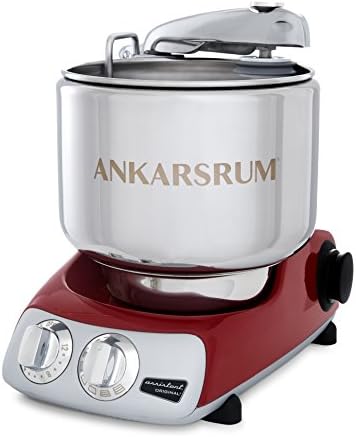
Ankarsrum Original
Chugged through double batches of stiff sourdough with zero babysitting; the roller design is...
The price. It's 2x a KitchenAid and you have to learn a new kneading motion
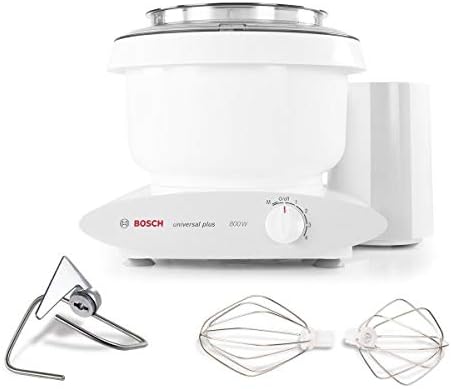
Bosch Universal Plus
The motor is a beast; four loaves of bread and it didn't even sweat
Not pretty, bowl is awkward to work around, less common in US stores
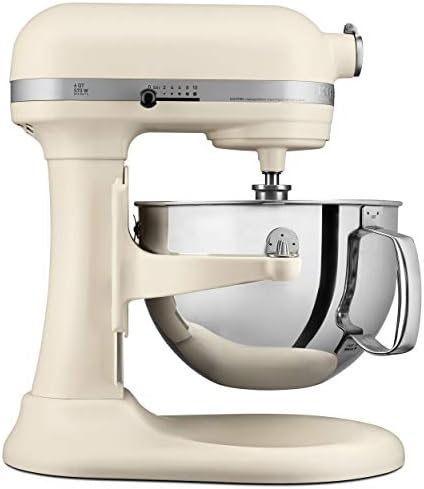
KitchenAid Pro 600 Bowl-Lift
A workhorse that handles weekly bread if you get the bowl-lift, not the tilt-head
New models have plastic gear reports; quality control is inconsistent
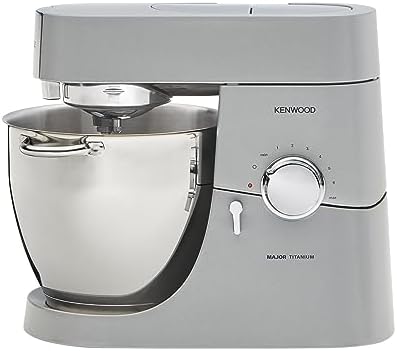
Kenwood Chef
Solid metal construction, powerful motor, no wobble at the hinge after heavy use
Harder to find in the US, attachments cost extra
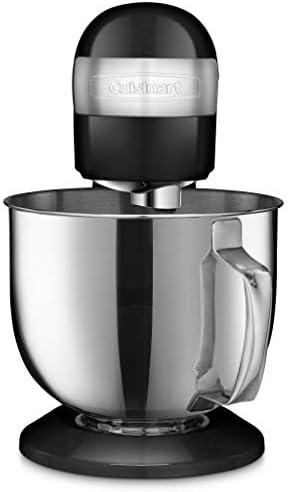
Cuisinart SM-50
Fine for cookies and cake; decent budget entry point
Struggles with anything stiff; overheating reports after 10 minutes on medium
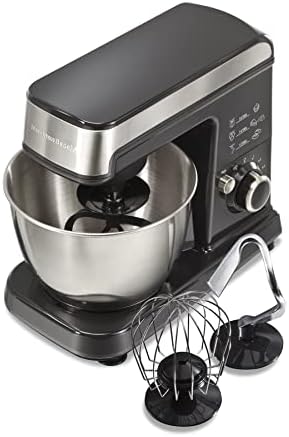
Hamilton Beach 63325
Honestly not bad for cookies and occasional cakes
Walks across the counter kneading; sounds like a blender full of marbles
Prices and availability were captured from Amazon Creators API and may change.
Question 1: What are you actually baking?
This is the whole ballgame. I know it sounds obvious, but most people skip it.
If you bake cookies, cakes, and the occasional batch of muffins, a tilt-head mixer is fine. My friend Rachel has a KitchenAid Artisan she's used for exactly that for six years. It's never let her down. She's never asked it to do more than it can do.
If you bake bread weekly, or you want to get into sourdough and bagels, you need a bowl-lift or a machine with a motor that can handle stiff dough. I killed my first tilt-head on a double batch of bagels.
The dough climbed the hook, wrapped around the shaft, and the motor stalled. Ten minutes in, it smelled like burning rubber.
I finished that batch by hand at 11 PM, which is exactly where you don't want to be on a Tuesday.
The honest rule: bread more than once a month means you skip the tilt-head. A bowl-lift model with a real motor, or a Bosch, or an Ankarsrum. This isn't snobbery. It's physics.
Question 2: How much motor do you actually need?
The marketing wants you to look at bowl size. A 5-quart bowl attached to a gutless motor is just a prettier container for disappointment. The motor is the mixer.
Most stand mixers list wattage. A 300-watt motor is fine for whipped cream and cookie dough. A 500-watt motor will handle bread dough, but it'll run hot. A 700-watt or higher motor chugs through stiff dough without breaking a sweat. That's the number to compare.
My Ankarsrum runs cooler than any mixer I've owned, and the motor never strains. The first time I ran it through a double batch of sourdough, I actually laughed. I'd been babysitting weak motors for years, scraping down the bowl, adjusting the speed, praying the machine would make it through. The Ankarsrum just ran. I stood there watching it, waiting for the problem that never came.
The Bosch I use when I teach classes has an 800-watt motor. It handles four loaves of bread without even getting warm. It's not as pretty as a KitchenAid, but it's a beast.
Question 3: Tilt-head or bowl-lift?
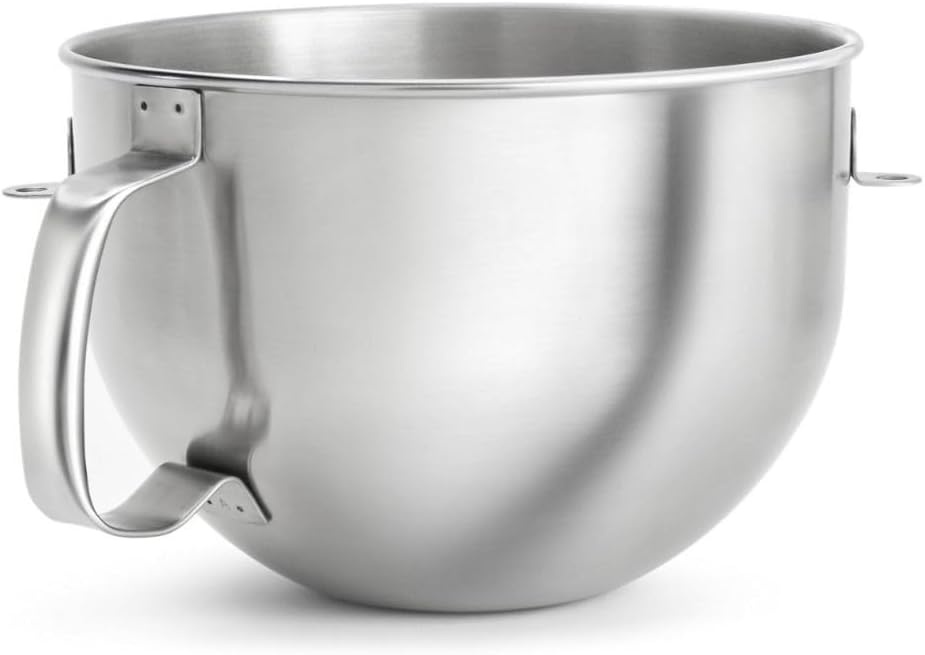
Tilt-head mixers tilt the motor head back so you can access the bowl. Bowl-lift models use a lever to raise the bowl to the mixing attachment. That's the mechanical difference.
The tilt-head is fine for light work. The problem is the hinge. After six months of regular bread use, the head starts to wobble. The dough climbs the hook. The motor strains because the head isn't locked firmly. I've seen it happen to too many friends who bought the pretty Artisan and then wondered why their bread dough looked like a science experiment.
The bowl-lift design is more stable. The motor head doesn't move, the bowl locks in place, and the whole machine handles stiff dough without the wobble. My KitchenAid Pro 600 is a bowl-lift and it's survived a decade of weekly bread baking. It sounds like a dying lawnmower on speed 6, but it runs.
If you're buying a KitchenAid for bread, get the bowl-lift. The tilt-head is for cookies, and that's not an insult. It's just the truth.
Question 4: What's the real cost per year?
Price tags lie. A ~$400 mixer that dies at month 13 costs you ~$30 a month. A ~$600 mixer that lasts a decade costs you ~$5 a month. Do the math.
I bought a cheap Hamilton Beach in college for ~$80. It got me through four years of cookies and birthday cakes. Then I asked it to knead bread and it walked across the counter like it was trying to escape. The bowl didn't lock properly. The motor whined. It lasted another six months before it gave up entirely.
My KitchenAid Pro 600 was ~$299 on sale in 2015. It's still running. That's about ~$2.50 a month over nine years. The new ones cost more and I've seen too many reports of plastic gears stripping where metal was promised. The brand is polarizing for a reason. My grandma's KitchenAid from 1987 still runs like a charm. My friend's new one died at 18 months. Both are true.
The Ankarsrum was ~$649 and it'll be the last mixer I ever buy. The roller and hook design kneads bread differently, and it doesn't climb, doesn't walk, doesn't overheat. I should've bought it years ago. It would have saved me two dead mixers and four years of frustration.
Question 5: What are you willing to put up with?
Every mixer has a quirk. The question is which quirk you can live with.
The Ankarsrum requires a learning curve. The roller and hook design is completely different from a traditional C-hook. You have to adjust the roller position and watch the dough as it kneads against the bowl. It took me three batches to get comfortable with it. But now I wouldn't go back.
The Bosch has an awkward bowl. It's wide and shallow, so it splatters more when you're mixing small batches. The attachments are harder to find in US stores. But the motor is a beast and it kneads better than anything except the Ankarsrum.
The KitchenAid bowl-lift has a lower bowl capacity than the marketing suggests. A 6-quart bowl holds about 4.5 quarts of bread dough, because the dough needs room to move. The attachments rust if you put them in the dishwasher, even though the label says dishwasher safe. That's a lie. Hand wash them or watch them corrode.
The Kenwood Chef is what KitchenAid used to be before they started cutting corners. Solid metal construction, powerful motor, no wobble. It's in the ~$300 to ~$500 range and it's a serious contender if you want bowl-lift stability without the Ankarsrum price tag. The downside is parts and attachments are harder to find in the US.
The Cuisinart is fine for cookies and cake. It struggles with anything stiff. I've seen reports of it overheating on medium speed after ten minutes. If you're a once-a-month baker, it's fine. If you're doing weekly bread, you'll be replacing it in two years.
The Hamilton Beach is honest about what it is. It's ~$80 and it sounds like a blender full of marbles. But for cookies and the occasional cake, it gets the job done. Just don't ask it to knead bread.
The one question that matters most
Here's the thing I've learned from twenty years of baking, from burning out two mixers, from teaching classes where students show up with machines that can't handle the recipe we're making: the question isn't "which mixer is best?" It's "which mixer will still be running in five years?"
A mixer is a tool. You use it to make food. The prettiest mixer in the world is useless if it can't handle a double batch of brioche without smoking. The most expensive mixer in the world is a waste of money if you only bake cookies twice a year.
Choose the Ankarsrum if you bake bread more than once a week and you're ready to save up. It's expensive, but it'll be the last mixer you ever buy. I paid ~$649 and I've had it for two years. That's ~$27 a month for a machine that never complains, never stalls, never makes me want to throw it out a window. Worth every penny.
Choose the Bosch if you bake bread weekly but you can't justify the Ankarsrum price. It does 80% of what the Ankarsrum does at half the price. The last 20% is the learning curve and the bowl design. If that doesn't bother you, it's the best value in this list.
Choose the KitchenAid Pro 600 bowl-lift if you want a workhorse that's easy to find, easy to fix, and has a decade of proven performance. Just buy it on sale and hand wash the attachments. And if you're tempted by the tilt-head Artisan, ask yourself one question: do you bake bread? If yes, walk away.
Choose the Kenwood if you want KitchenAid quality without the KitchenAid quality control lottery. It's a tank.
Choose the Cuisinart or the Hamilton Beach if you bake cookies once a month and you want to spend under ~$250. They'll get the job done. They won't last forever, but they don't need to.
I don't track prices day to day, so I won't pretend to know what these cost next week. But I know what they cost me. I know which ones died and which ones are still running. I know that my Ankarsrum will probably outlive me, and I know that my KitchenAid sounds like a dying lawnmower but refuses to quit.
My dog Mabel has learned to leave the kitchen when I turn on the noisy one. She's a good judge of character. She stays in the living room when the Ankarsrum runs. She's never once been wrong about a mixer.